
Discover
Ayder Honey
Ayder Honey: A Complete Guide to the Natural Highland Honey of the Kaçkar Mountains
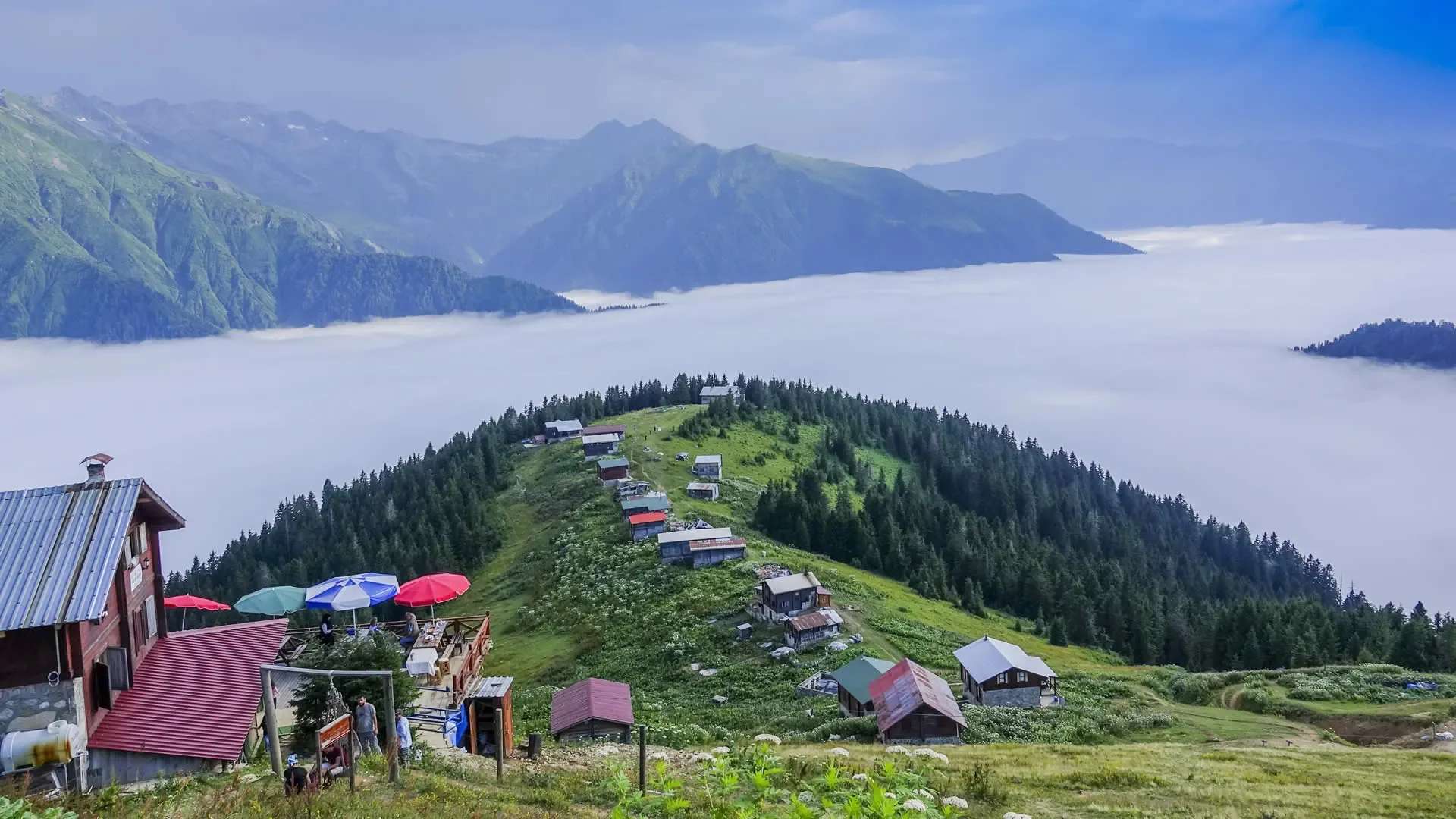
Ayder Honey is a unique type of highland honey produced in and around Ayder Plateau, located in the Çamlıhemşin district of Rize, within the foothills of the Kaçkar Mountains in Turkey’s Eastern Black Sea region. Thanks to its high-altitude production, rich floral diversity, and traditional beekeeping methods, Ayder honey is widely regarded as one of the most valuable natural honeys in the region.
In this guide, you will find clear and reliable answers to the most searched questions, such as what Ayder honey is, where it comes from, its benefits, how it is produced, how to recognize genuine Ayder honey, and where to buy it.
What Is Ayder Honey?
Ayder honey is a polyfloral highland honey produced by bees that forage freely in the alpine meadows and forested slopes of the Kaçkar Mountains, typically at elevations between 1,500 and 2,500 meters.
How Is Ayder Plateau Honey Different from Other Highland Honeys?
What makes Ayder honey special is not only its location but also its environment:
-
High-altitude production
-
Rich and largely endemic plant diversity
-
Minimal human intervention and no industrial agriculture
-
Short harvest season and limited yield
As a result, Ayder honey has a more complex aroma and higher mineral diversity compared to many standard highland honeys.
Geographical Origin of Ayder Honey
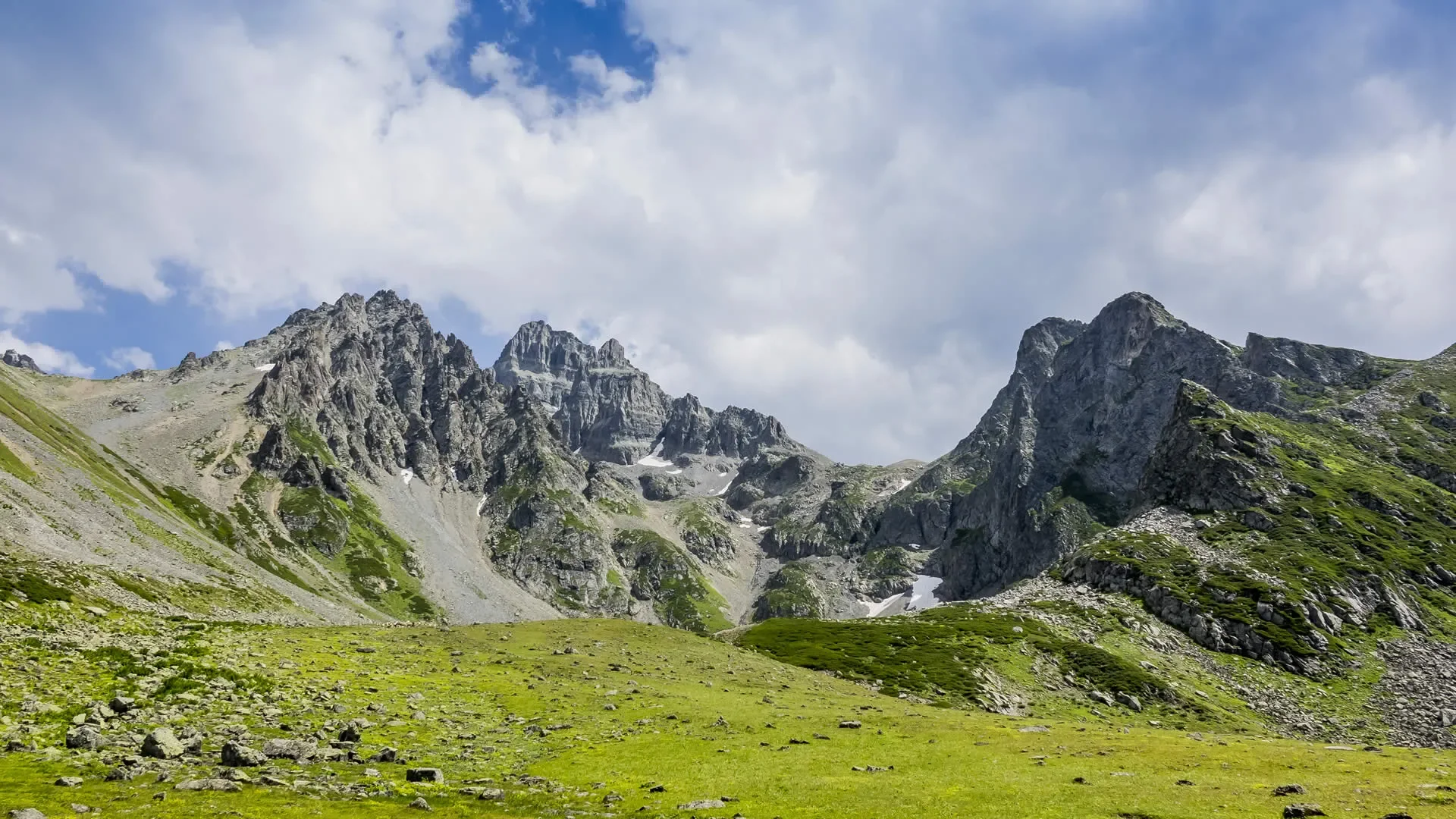
Kaçkar Mountains, High Elevation, and Endemic Flora
The Kaçkar Mountains National Park area is home to a wide variety of flowering plants such as rhododendron, wild thyme, chestnut blossoms, mountain herbs, and many endemic alpine species. Bees collect nectar from this diverse flora, which gives Ayder honey:
-
A balanced and intense floral aroma
-
A long-lasting taste on the palate
-
A naturally rich pollen profile
Ayder Plateau and Surrounding Highlands
Ayder honey is not produced only on Ayder Plateau itself. Neighboring highlands such as Huser, Kavrun, and Samistal also contribute to the overall production area, forming a broad and ecologically rich beekeeping zone.
Key Characteristics of Ayder Honey
Color, Aroma, and Taste
-
Color: Ranges from light amber to deep golden tones
-
Aroma: Strong floral scent with fresh mountain notes
-
Taste: Balanced sweetness, not overly sharp, with mild herbal undertones
Crystallization (Natural Granulation)
Genuine Ayder honey naturally crystallizes over time. This process, often referred to as “granulation,” is a natural sign of raw and unprocessed honey and does not indicate spoilage.
How Is Ayder Honey Produced?
Transhumance (Migratory) Beekeeping
Beekeeping in the Ayder region is largely based on migratory beekeeping. Hives are moved from lower elevations in spring to the high mountain pastures during summer, allowing bees to access fresh alpine flowers.
Chemical-Free Production Environment
In and around Ayder Plateau:
-
There is no large-scale agriculture
-
Pesticide use is extremely limited
-
Bees feed entirely on wild flora
This natural environment plays a key role in the purity and quality of Ayder honey.
Benefits of Ayder Honey
Immune System Support
-
Supports the body’s natural defenses
-
Commonly consumed during seasonal transitions
Energy and Digestion
-
Provides quick, natural energy
-
Gentle on the digestive system
Respiratory Comfort
-
Traditionally used to soothe the throat
-
Preferred during cold and flu seasons
Important Warning: Ayder honey is a natural food product and not a substitute for medical treatment.
Is Ayder Honey Genuine? How to Identify Fake Products
What to Look For
-
Clear producer information
-
Explicit reference to Ayder / Çamlıhemşin origin
-
Realistic pricing (extremely cheap products are suspicious)
Taste and Aroma Clues
Authentic Ayder honey:
-
Leaves a long-lasting floral taste
-
Does not taste overly sugary
-
Has a natural, layered aroma
Ayder Honey Prices (General Information)
The price of Ayder honey varies depending on:
-
Harvest year
-
Altitude of production
-
Yield and weather conditions
-
Producer scale
Due to limited production, it is usually priced higher than standard commercial honeys.
Where to Buy Ayder Honey
-
Directly from local beekeepers in Ayder Plateau
-
Village markets in Çamlıhemşin
-
Trusted local producers with transparent sourcing
The most reliable option is always buying directly from the producer.
How Should Ayder Honey Be Consumed?
-
One teaspoon in the morning on an empty stomach
-
Mixed with lukewarm water or milk (never hot)
-
Consumed plain at breakfast
Frequently Asked Questions About Ayder Honey
1. What is Ayder honey?
A natural highland honey produced in the Ayder Plateau and Kaçkar Mountains region.
2. Is Ayder honey always available?
Production depends on weather conditions, so availability varies each year.
3. Does Ayder honey crystallize?
Yes. Natural crystallization is a normal and healthy process.
4. Is Ayder honey chestnut honey?
No. It is mainly a polyfloral highland honey, not single-flower chestnut honey.
5. Is Ayder honey organic?
While not always officially certified, it is produced in a naturally clean environment with minimal human intervention.
Why Is Ayder Honey So Special?
Ayder honey is more than just a food product—it is the result of Kaçkar Mountains’ rich flora, Ayder Plateau’s clean air, and centuries-old beekeeping traditions. Its limited production, natural purity, and distinctive aroma make it one of the most sought-after highland honeys of the Black Sea region.
For anyone visiting Ayder or Çamlıhemşin, tasting genuine Ayder honey directly from its source is one of the most authentic ways to experience the region.